
The Impact of Betting Restrictions on UK Horse Racing: What Happens When Races Aren’t On?
When horse racing events in the UK are not on, whether due to cancellations, seasonal breaks, or larger industry-changing events, the effects ripple throughout the entire betting landscape. The nuances of these dynamics extend beyond just the thrill of racing; they encompass economic factors, changes in betting behavior, and overall fan engagement. A growing number of fans and bettors are discovering alternatives, including UK Horse Racing Not on GamStop horse racing betting not on GamStop, which have become increasingly popular among enthusiasts looking for diverse betting options.
The Current Landscape of UK Horse Racing
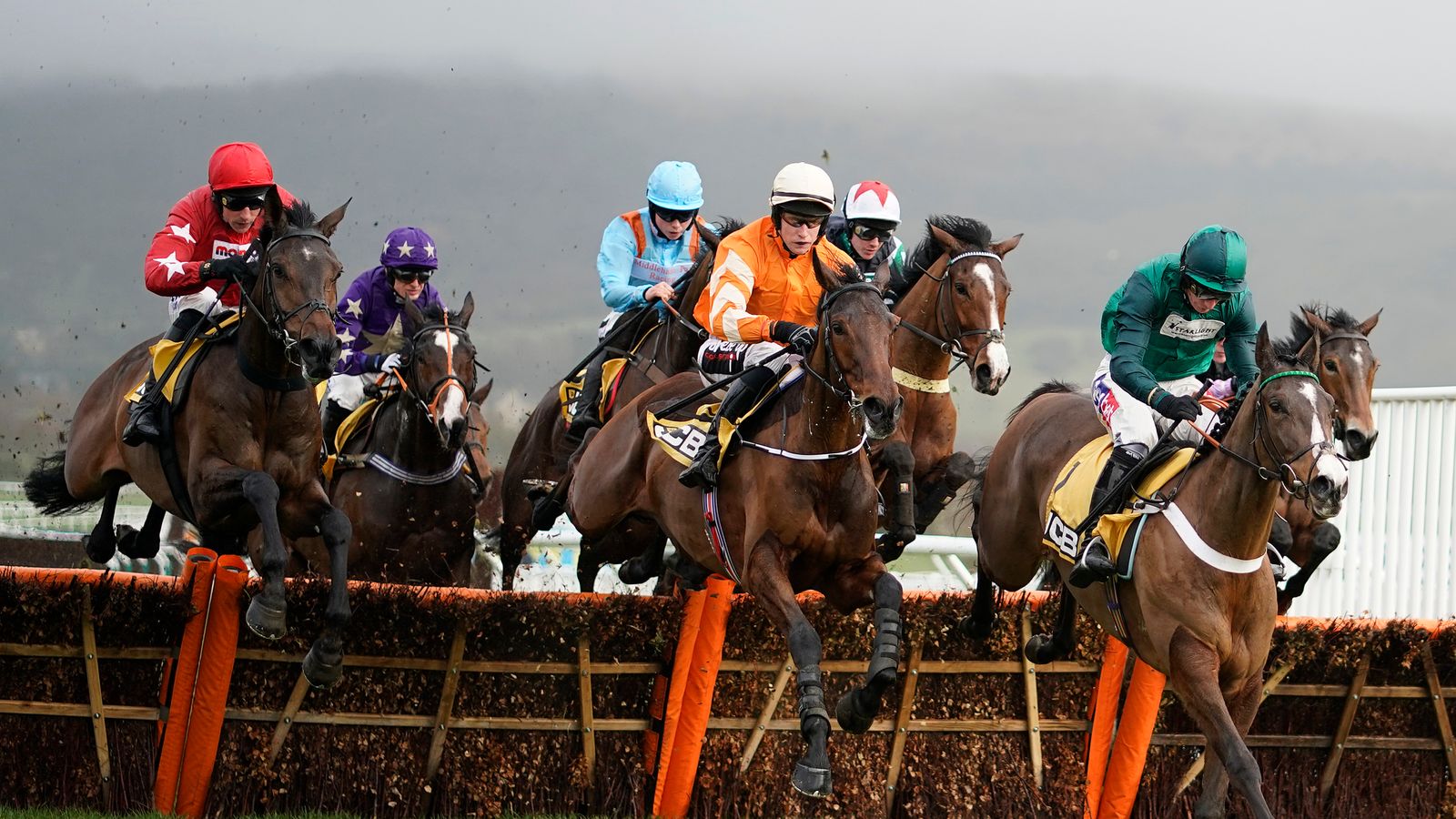
Horse racing has long been a favored pastime in the UK, with events like the Grand National and Royal Ascot drawing significant attention. However, unforeseen circumstances such as weather issues, health crises, or financial instability within racing organizations can lead to cancellations or reduced race days. This not only affects punters who eagerly anticipate placing bets but also causes shifts in the entire betting ecosystem.
Financial Implications
Financially, the implications of racing events not being held are stark. Racecourses rely heavily on attendance and betting revenue. When races are canceled, they not only lose ticket sales but also the expected revenue from food, drink, and merchandise sales. This can lead to budget cuts and potential layoffs, further impacting the local economy.
Impact on Betting Operators
Betting operators face challenges when racing is not on. Reduced event opportunities lead to a decline in betting volume, which can significantly impact their bottom line. In response, many operators may turn to virtual sports or other sports betting events to fill the gap, but these alternatives often do not have the same draw as live horse racing.
Changing Betting Patterns
The absence of horse racing can prompt bettors to change their habits, often leading them to explore other sports or even other forms of entertainment. With the rise of online betting, it’s easier for punters to switch to alternative options, which introduces a level of competition that horse racing must contend with. When races are off the card, the entire betting community may lean towards sports such as football, basketball, or esports.
The Growth of Online Betting
Online betting platforms have evolved, and many offer a wide range of betting options, including live streaming of events across various sports. As horse racing becomes less accessible, these sites will inevitably capture a larger market share from traditional horse racing bets. Betting platforms are keenly aware of this trend, investing in new technologies and marketing strategies to attract and retain customers.
The Role of Regulation and GamStop
For the bettor, the issue of regulation looms large. Many punters in the UK are aware of restrictions like GamStop, a self-exclusion program designed to help individuals manage their gambling habits. With horse racing not on, many bettors look

for alternatives that are not constrained by such regulations. This has opened a pathway for platforms that operate outside of GamStop, providing bettors more freedom in their gambling experience.
Finding Alternatives
When traditional horse racing is not available, finding suitable platforms that allow for betting can be crucial. Operators that cater to bettors looking for alternatives ensure that the experience remains engaging and viable even during downtime in horse racing. The advent of horse racing betting not on GamStop has become a crucial player in this scenario, allowing punters to continue engaging with the sport they love without interruption.
Fan Engagement During Downtime
Fan engagement is integral to maintaining the sport’s popularity. When races are not on, it becomes imperative for racing bodies and organizations to find ways to keep fans engaged. This may include virtual racing events, interactive betting experiences, and content-driven marketing strategies. The challenge lies in making virtual events captivating enough to maintain interest in a sport that thrives on live competition.
Utilizing Social Media
Social media platforms have emerged as significant tools for keeping the racing community engaged. Racecourses and betting companies can share updates, host virtual contests, and provide insightful content about horses, jockeys, and trainers, ensuring that enthusiasts remain connected to the sport during its off-seasons.
The Future of UK Horse Racing
Looking towards the future, the UK horse racing industry must adapt to the inevitable fluctuations in event schedules and betting patterns. The impact of technology, regulation, and changing consumer behavior will continually shape this landscape. Strategies that embrace flexibility and innovation will be essential for both traditional racing organizations and betting platforms.
Conclusion: The Resilience of Horse Racing
While the cancellation or absence of races can create challenges, the resilience of the UK horse racing community remains evident. By exploring alternative betting options, maintaining fan engagement, and adapting to market trends, the sport can continue to thrive even in uncertain times. Horse racing, with its rich history and fervent fan base, still holds the potential to capture the hearts and wallets of punters, despite moments when it may not be on the main stage.